BerlinCharcoalDrawingTattooArtShop
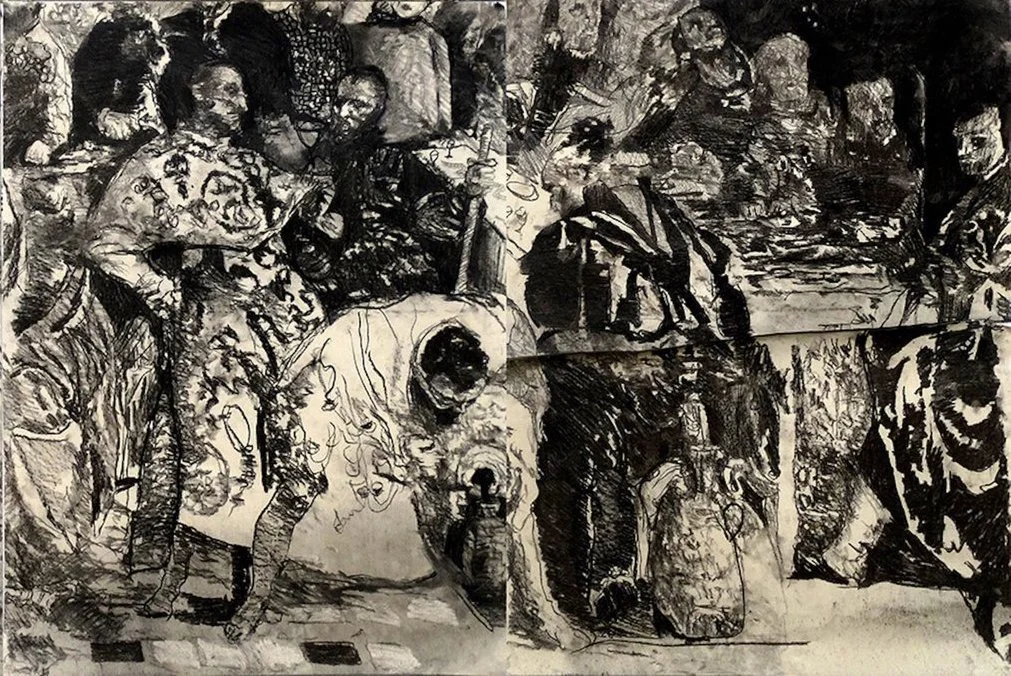
After Cana - Charcoal on paper, 240 × 300 cm
2018, Collection: Enter Foundation
Jorge da Cruz’s After Cana revisits Paolo Veronese’s The Wedding at Cana, transforming a Renaissance celebration into a scene of quiet unease. Drawn in charcoal across sixteen assembled sheets of paper, the work uses tonal contrasts, areas of untouched paper, and visible seams to reinterpret the original composition. As water rises across the banquet floor, the guests continue celebrating, seemingly unaware of the approaching flood. The work reflects on the fragility of abundance and the unsettling ability to maintain familiar rituals even as the world around us begins to fall apart.
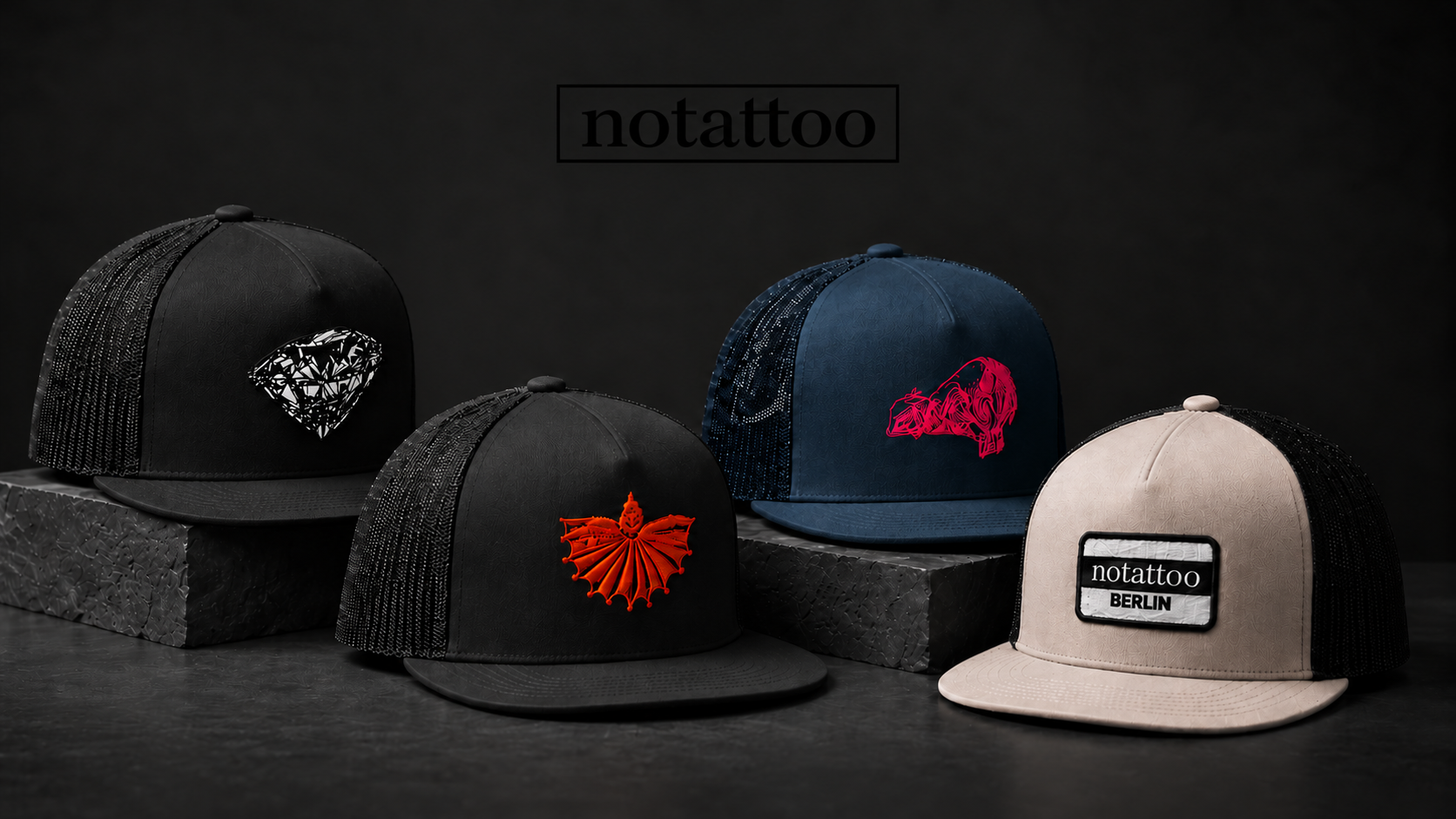
Limited editions-new collection of truck caps
The new cap collection is one of the latest additions to the noTATTOO shop, bringing together a small selection of limited-edition pieces developed through embroidery, graphic motifs, and carefully chosen colours. The collection continues noTATTOO’s exploration of how drawings and recurring visual elements can move beyond tattooing and take on new forms. Through the shop, these images become everyday objects, designed to be worn, used, and collected. Each cap is produced in very limited numbers, with no restocks.
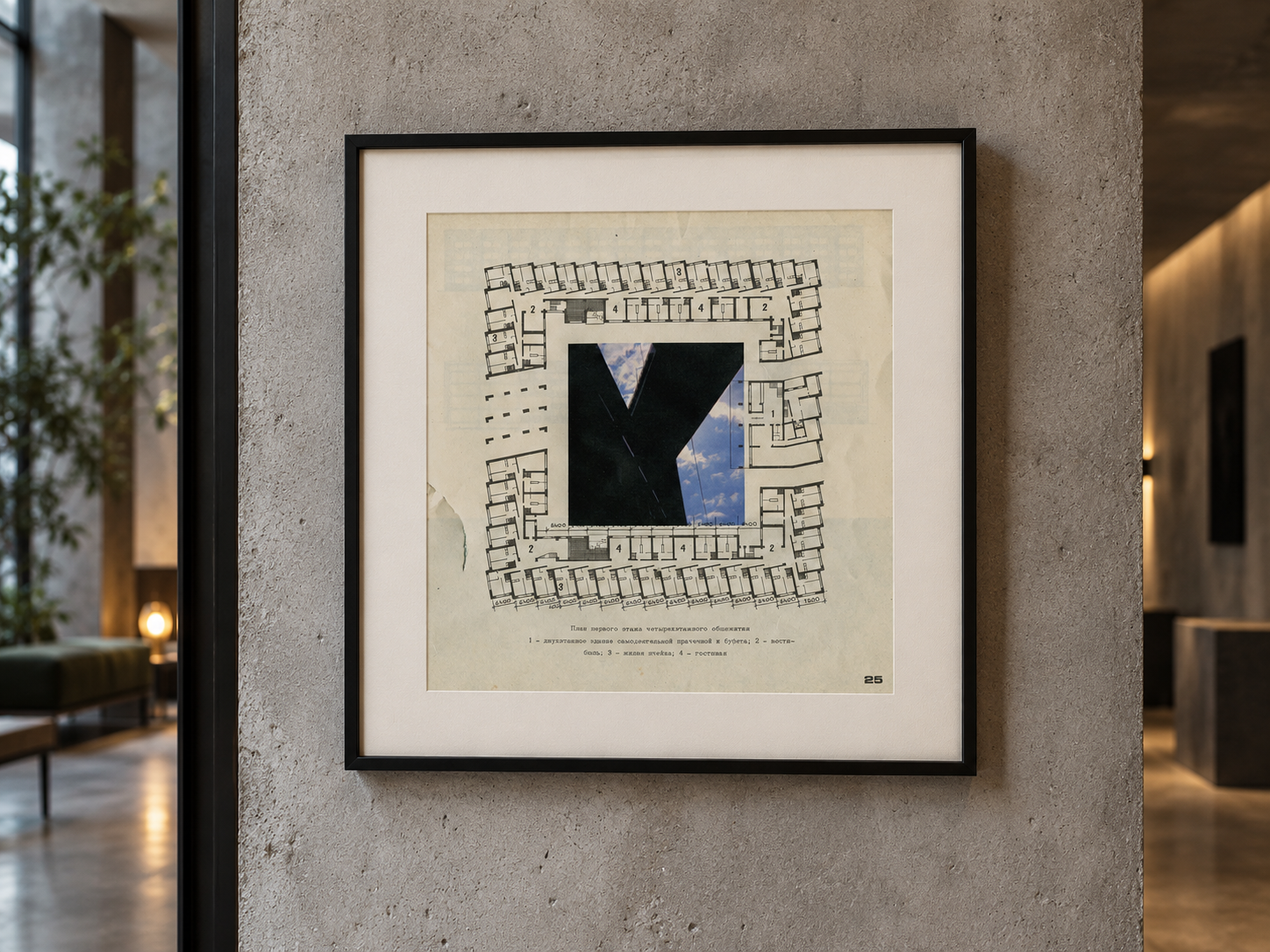
Inkjet printing, writing and drawing on old paper. JorgedaCruz, Berlin, 2010.
German Emotions is one of the first bodies of work Jorge da Cruz developed after moving to Berlin. Created without a permanent studio, the series brings together found pages, old documents, discarded books, and flea-market materials with photographs taken in Lisbon, short texts, and small visual fragments. What began as a personal passion project has gradually evolved into a broader artistic exploration, where personal memories and found materials come together to create new images, associations, and narratives.